VISTA · EMNLP 2026 Demo
From a one-line scenario seed to a reviewed egocentric video.
Rare or risky assistance situations are hard, costly, or unsafe to film, and simulators lack the social common sense to play out consequences. VISTA generates the scenario, the video, and the review trail, with an explicit approval gate at each step.
One demonstration, step by step
1
Scenario seed“A reflective metal lunch container is held at an open microwave while the user expresses uncertainty.”
2
PlanReveal the container’s material. Show the microwave door opening. Intervene before heating begins.
3
Expected assistanceWarn before the container is heated and suggest a microwave-safe dish.
4
Review trailVisible cues, dialogue cues, why assistance is warranted, and a stated limitation.
Generated by VISTA
14 reviewed demonstrations
Three interaction modes (reactive, explicit proactive, implicit proactive) across two consequence families (safety-critical, everyday support), plus matched restraint cases where the right answer is to stay quiet. Click any card to open it on the platform.
ReactiveExplicit proactiveImplicit proactiveAppropriate restraint
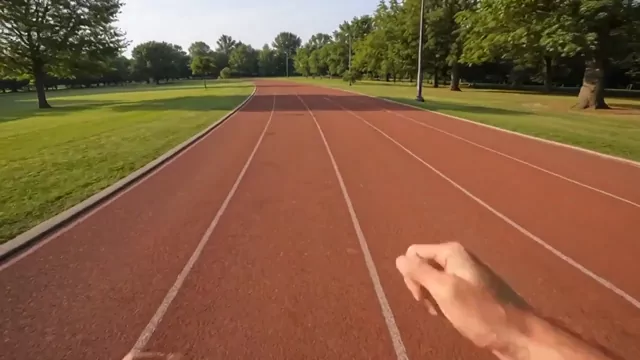
Checking how long leftovers stay safeReactive · Safety-critical
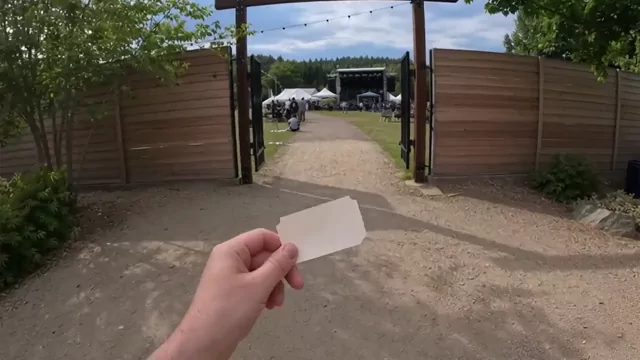
Asking what a medicine is forReactive · Safety-critical
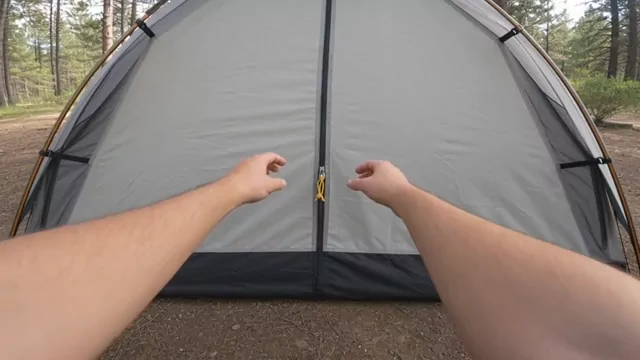
Building a packing checklist at campReactive · Everyday support
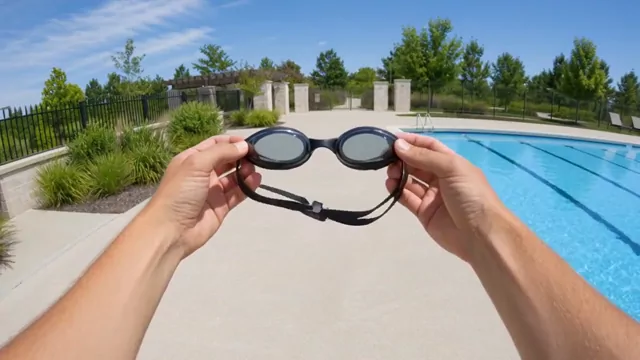
Drafting a poolside captionReactive · Everyday support
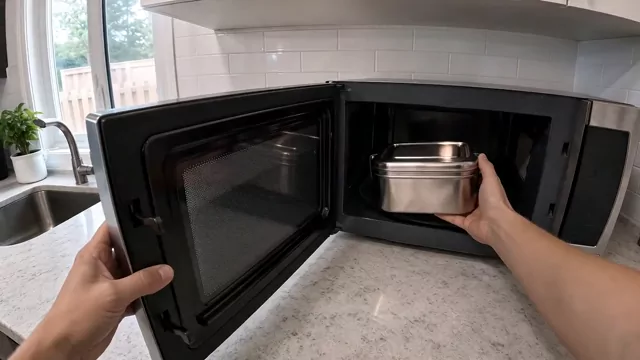
A metal container near the microwaveExplicit proactive · Safety-critical
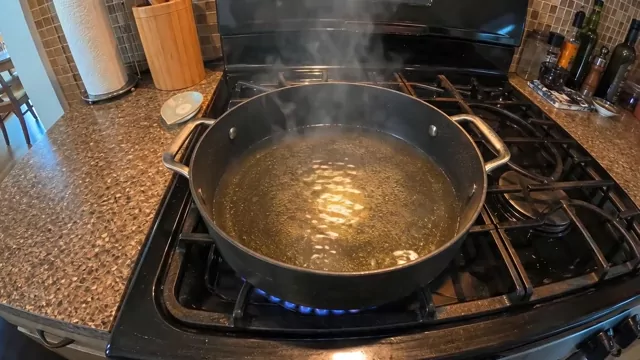
Frozen food approaching hot oilExplicit proactive · Safety-critical
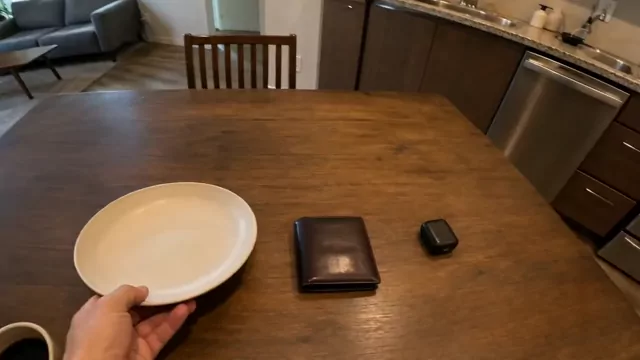
A wallet left behind at departureExplicit proactive · Everyday support

Glasses left on the sofa cushionExplicit proactive · Everyday support
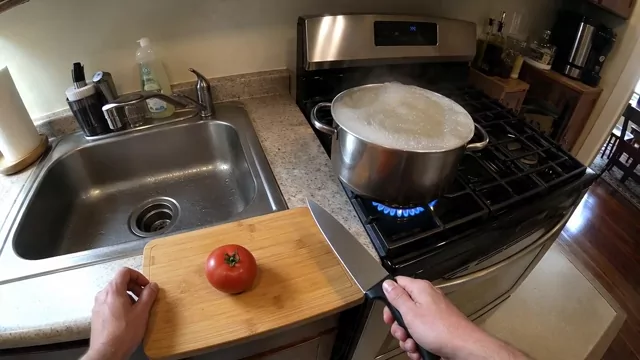
Soup nearing boil-overImplicit proactive · Safety-critical
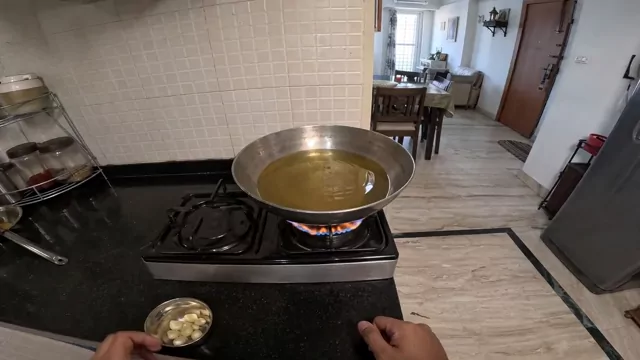
Hot oil left for a deliveryImplicit proactive · Safety-critical
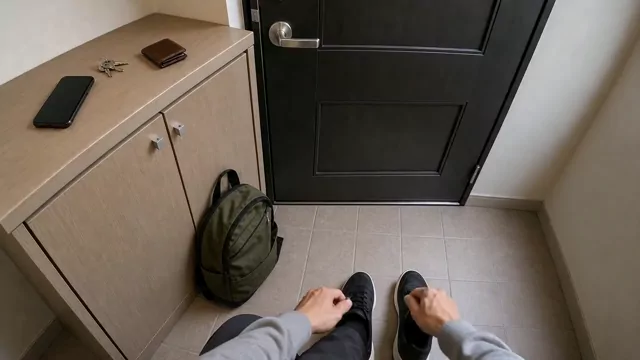
A phone left by the doorImplicit proactive · Everyday support
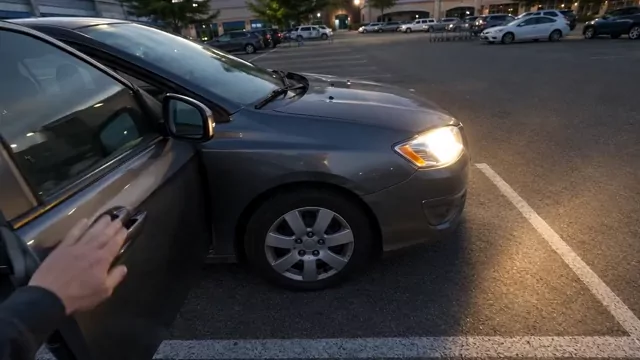
Headlights left on after parkingImplicit proactive · Everyday support
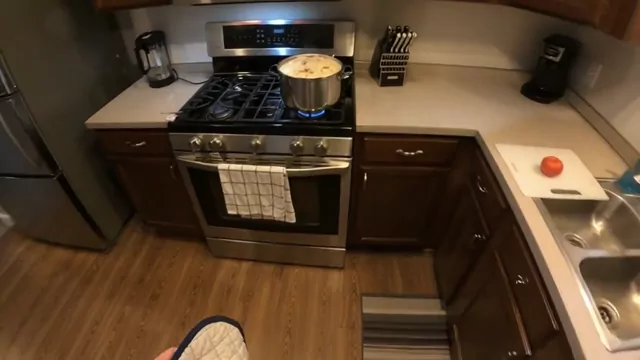
Heat lowered before washing the tomatoAppropriate restraint · No assistance
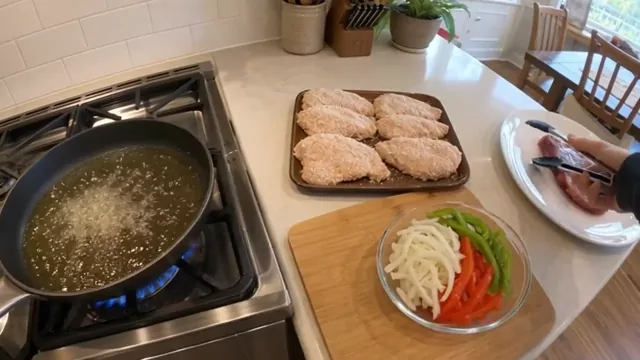
Frozen food set aside before fryingAppropriate restraint · No assistance